
A Long-Term Solution for Pain, Posture and Performance
As a well-travelled Osteopath now providing world-class Osteopathy treatment in Mont Kiara, Kuala Lumpur, Malaysia, I have noticed a growing pattern among patients.
Since the pandemic, many people feel that good quality healthcare has become harder to access. Longer waiting times, shorter and more impersonal face-to-face appointments, difficulty navigating referrals, and a sense of being ‘processed’ rather than truly cared for. There is also a long-standing frustration with a system that often treats symptoms in isolation, and can be too quick to write a prescription.
A sore lower back gets a painkiller, a stiff neck gets a muscle relaxant, but no one asks why it started in the first place.
At the same time, the wellness world has exploded with gadgets, supplements, injections, infusions and self-proclaimed influencers, promising life-changing results, but mostly delivering marginal benefits beyond a healthy diet and regular exercise.
Here in Malaysia, and in many places around the world, the business of health is booming, yet our foundations of health are quietly collapsing. Gyms and wellness centres are popping up everywhere, while lifestyle-related health problems such as type 2 diabetes, back pain, weight gain, hypertension, and chronic stress, continue to rise.
These are some of the reasons why people are searching for more effective and personalised health care solutions like Osteopathy. It is an exciting time to be an Osteopath in Kuala Lumpur as more people seek high-quality holistic and preventative medicine.
What Is Osteopathy?
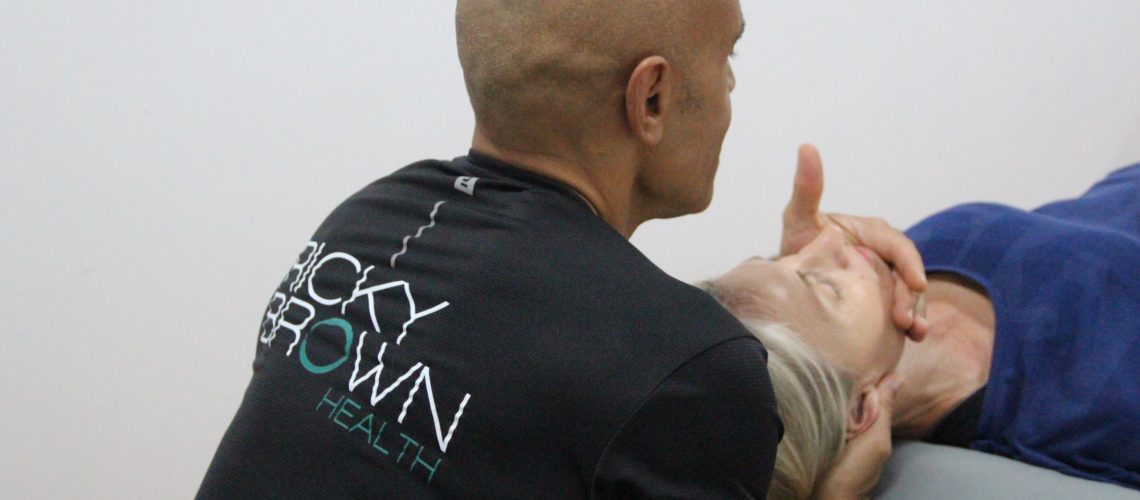
Osteopathy is a form of manual, ‘hands-on’ healthcare that focuses on how the structure and function of the body work together. An osteopath assesses how your muscles, joints, nerves, posture, movement patterns, stress, sleep, and lifestyle may be contributing to pain, poor health and performance. We then use a range of techniques to help correct physical restrictions, rather than simply chasing symptoms.
Many people regard osteopathy as a kind of ‘one-stop shop’ for many modern ailments, including low back pain, neck pain, headaches, digestive issues, and muscular tension. Osteopathy uses a range of evidence-based, and non-invasive, techniques such as joint manipulation, focused massage therapy, postural correction, nervous system regulation, nutrition, and exercise rehabilitation.
This whole-body approach explains why many osteopaths practice differently to each other, and also why osteopathy is in high demand.
Why Demand for Osteopathy is Growing
In today’s fast-paced world, many Malaysians are living with low back pain, neck pain, headaches, poor posture, fatigue, and a host of metabolic health issues. Long hours sitting at desks, poor diet, lack of physical activity, poor sleep, and living under constant stress are not minor inconveniences. They are the daily reality of modern urban life, and they have created a surge in lifestyle-related health issues
Muscle and joint conditions including low back pain and neck pain, are now among the most common reasons people visit doctors worldwide. Low back pain alone is consistently ranked as one of the leading causes of disability globally. As a result, more people in Kuala Lumpur are seeking effective, evidence-informed osteopathy, as a solution for pain, function and long-term health.
Why Many People in Malaysia are Struggling with Pain
Modern urban life has quietly changed how the human body functions. From an evolutionary perspective, the human body was designed for regular movement, varied physical activity, and adequate recovery. Instead, many people. now live in a constant cycle of muscular tension, inactivity, and fatigue.
To understand just how quickly things have changed, in 1960 just 27% of the Malaysians lived in urban areas. Today, those figures have reversed, now 75% of Malaysians are living in cities like Kuala Lumpur where movement has been engineered out of daily life. Rural life meant people walked further, stood longer, carried water, worked the land, ate more whole foods and moved naturally throughout the day without needing a gym membership or a fitness tracker. Their bodies were built for function, not for chairs.
This rapid shift from a rural, active lifestyle to a sedentary, screen-based one has happened far faster than the human body can adapt. Our genetics have not changed, but our environment has completely transformed. The health consequences are already visible nationally: between 1996 and 2015, obesity prevalence rose from 4.4% to over 30%, while diabetes increased by 170%.
Over time, this contributes to low back pain, neck pain, tension headaches, hip stiffness, poor posture, sciatica, sports injuries, and chronic muscular tightness. Often these problems are not caused by one major injury, but by years of accumulated stress, lack of physical exertion, and poor recovery habits. What was once an uncommon complaint in a physically active population has now become almost universal in modern cities.
Osteopathy Looks Beyond the Symptoms
One of the major strengths of osteopathy is its holistic approach. For example, ongoing neck pain may not simply be a “neck problem.” It could also involve poor upper back mobility, the heart, the liver, weak postural muscles, stress, jaw tension, poor breathing mechanics, or an unsuitable desk setup. Similarly, lower back pain may be influenced by hip stiffness, the kidneys, digestive system, reproductive organs, sedentary work habits, or old injuries elsewhere in the body. An osteopath aims to connect these dots rather than only treating the painful area itself.
More Than Just “Cracking Joints”
A common misconception is that osteopathy is simply about clicking or cracking joints. In reality, osteopathy is a broad healthcare discipline involving detailed assessment, clinical reasoning, and a wide range of treatment techniques. Depending on the individual, treatment may include soft tissue therapy, stretching and mobility work, joint mobilisation or manipulation, rehabilitation exercises, strength and movement coaching, breathing and stress-management strategies, and lifestyle education.
Education is often just as important as treatment itself. Helping patients understand why pain develops, and which habits may be contributing, is key to achieving longer-term results.
The Rigorous Education Behind a UK-Trained Osteopath
After Andrew Taylor Still founded Osteopathy in 1874, Europe’s first osteopathic educational institution was opened in London in 1917. A UK-educated osteopath typically completes a rigorous full-time 3 year degree plus a 1 year masters, involving thousands of hours of academic and clinical training. Subjects commonly include:
- anatomy and physiology
- myology (muscle science),
- neurology
- pathology
- pharmacology
- biomechanics
- kinesiology
- orthopaedics
- clinical diagnostics
This scientific and medical foundation allows osteopaths to safely assess a wide range of musculoskeletal complaints while recognising when referral for further investigation may be appropriate.
The Added Perspective of a Naturopathic Osteopath
Training at the British College of Osteopathic Medicine also provided the added benefit of studying naturopathic medicine. This gives me an evidence-based understanding of how nutrition, stress, sleep, exercise, and lifestyle, influence disease, recovery, and performance.
Modern lifestyle-related health issues are rarely caused by one thing alone. Low back pain, for example, may be influenced by poor metabolic health, inadequate sleep, or chronic stress, not just a ‘disc problem’. Understanding things like diet, sleep quality, circadian health, and daily movement patterns is essential for helping reverse and manage many of today’s most prevalent health issues. This broader skill set enables some Osteopaths to provide personalised health coaching in nutrition, metabolic health and lifestyle medicine.
Importantly, modern osteopathic care remains grounded in evidence-informed practice, not unsupported health trends or pseudoscience.
Treating the Person not Just the Pain
Through my work as an Osteopath here in Mont Kiara, Kuala Lumpur, I have noticed that many patients come to me because what they have tried previously hasn’t helped them. They may have received scans, diagnoses, painkillers, muscle relaxants, and other treatments, but no one asks them about their sleep, stress, diet, or their lifestyle habits, in any depth.
This is not a failure of conventional healthcare. It is simply a different approach. Osteopathy fills the gap between a 10 minute consultation and a complete understanding of the person. This is why patients often mention feeling more heard, seen and understood when they engage with osteopathic treatment.
Common Conditions Osteopaths Treat
Osteopaths treat a range of conditions, including:
- Low back pain
- Neck pain
- Headaches
- Sports injuries
- Postural issues
- Hip, shoulder, TMJ (jaw) and knee pain
- Mobility restrictions
- Stress-related muscular tension
- Sciatica
- Digestive Issues
Osteopathy is not only reactive, it’s preventative, helping people maintain better movement, recovery, and physical resilience as they age.
Final Thoughts
Modern life places enormous physical and mental demands on the human body. Low back pain, neck pain, stiffness, and fatigue have become so common that many people quietly accept them as normal.
Imagine waking up without that familiar ache in your lower back. Imagine turning your head without stiffness, playing with your children without wincing, or finishing a workday with energy left for you. This is not a fantasy. It is what happens when you work with a health care professional who treats you as a person, not just your aches and pains.
Osteopathy offers a practical, hands-on, and deeply human approach to helping you move better, feel better, and live better. It does not just chase your symptoms away for a day. It works with you to build a body that is strong, resilient, and capable of handling everything modern life throws at it.
If you have been searching for something more personalised, holistic and life-changing, then osteopathy may be the turning point you have been waiting for.
High quality Osteopathic treatment doesn’t just get rid of pain. It helps you become stronger and healthier than you were before your treatment. For more information about how Osteopathy can improve your quality of life, get in touch HERE for more information.
In Health,